Cultivating Resilience: How Fitness Builds the Energy for Intentional Living
Unlock the secrets to a resilient life with fitness as your cornerstone, and discover how disciplined routines fuel sustainable energy for intentional living. In today’s fast-paced world, cultivating resilience is essential for maintaining well-being and achieving our goals. Fitness plays a pivotal role in building this resilience, providing us with the physical and mental energy needed to navigate challenges and live more intentional lives.
The Foundation of Fitness Resilience
Fitness resilience is more than just physical strength; it’s about the ability to recover quickly from difficulties, adapt to change, and maintain a positive outlook. Regular exercise strengthens both the body and the mind, fostering a sense of control and empowerment. This, in turn, equips us to handle stress more effectively and bounce back from setbacks.
Understanding Physical Resilience
Physical resilience involves the body’s capacity to withstand physical stressors, such as illness, injury, or fatigue. Fitness routines that incorporate strength training, cardiovascular exercise, and flexibility exercises can enhance this resilience. Strength training builds muscle mass and bone density, reducing the risk of injuries. Cardiovascular exercise improves heart health and circulation, ensuring that the body receives the oxygen and nutrients it needs to function optimally. Flexibility exercises enhance range of motion and reduce the risk of strains and sprains.
Mental Resilience Through Fitness
Fitness also plays a crucial role in mental resilience. Exercise releases endorphins, which have mood-boosting effects and can alleviate symptoms of anxiety and depression. Regular physical activity can also improve cognitive function, enhance memory, and boost self-esteem. These mental benefits contribute to a greater sense of well-being and a stronger ability to cope with stress.
Energy Management: Fueling Intentional Living
Energy is a finite resource, and how we manage it significantly impacts our ability to live intentionally. Fitness helps us optimize our energy levels by improving our physical and mental health. When we are physically fit, we have more energy to devote to our goals and passions. When we are mentally resilient, we are less likely to waste energy on negative thoughts and emotions.
- Prioritizing Rest and Recovery: Adequate sleep is essential for energy management and recovery. Aim for 7-9 hours of quality sleep each night to allow your body and mind to recharge.
- Nutrition for Sustainable Energy: Fuel your body with a balanced diet rich in whole foods, including fruits, vegetables, lean proteins, and healthy fats. Avoid processed foods, sugary drinks, and excessive caffeine, which can lead to energy crashes.
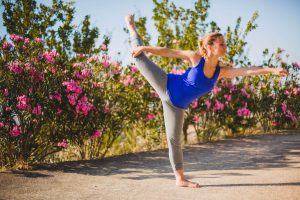
- Mindful Movement: Incorporate activities like yoga, Pilates, or tai chi into your fitness routine to promote relaxation, reduce stress, and improve energy flow.
Moreover, fitness routines can help us regulate our circadian rhythms, which influence our sleep-wake cycles and hormone production. Consistent exercise patterns can synchronize these rhythms, leading to improved sleep quality and more stable energy levels throughout the day.
The Power of Disciplined Routines
Discipline is the cornerstone of sustainable fitness and intentional living. Establishing a consistent routine helps us make fitness a habit, rather than an occasional activity. A disciplined routine provides structure, reduces decision fatigue, and fosters a sense of accomplishment.
Start by setting realistic goals and breaking them down into smaller, manageable steps. Create a schedule that incorporates fitness into your daily or weekly routine, and stick to it as much as possible. Find an accountability partner or join a fitness community to stay motivated and on track. Remember, progress is not always linear, and setbacks are inevitable. The key is to stay committed to your goals and learn from your experiences.
Building resilience through fitness is a journey that requires dedication, patience, and self-compassion. By prioritizing physical and mental well-being, managing our energy effectively, and establishing disciplined routines, we can cultivate the resilience needed to live more intentional, fulfilling lives.
Share your experiences with building fitness resilience in the comments below! What strategies have you found most effective? Let’s learn from each other and support each other on this journey!